
Kumukh Old Quarter Tourism: What Makes This Old Quarter So Unique for Visitors?
- Kumukh Old Quarter Tourism is a historic cultural area known for its preserved architecture.
- The quarter reflects traditional lifestyles, old streets, and local heritage.
- It attracts visitors interested in history, culture, and authentic experiences.
Introduction
Did you know that hidden in Dagestan’s mountainous terrain lies a centuries-old quarter where stone buildings tell stories older than most European cities? Kumukh Old Quarter Tourism offers you an experience unlike any other—a journey through time where every cobblestone street whispers tales of ancient civilizations.
When you step into the Kumukh Old Quarter Tourism experience, you’re not just visiting another tourist destination. You’re entering a living museum where the cultural heritage area has remained remarkably preserved for over 1,500 years. This old town architecture marvel stands as Dagestan’s crown jewel, offering visitors an authentic glimpse into Caucasian mountain culture that few travelers ever discover.
Travel The World Today guides you in every stage of exploring this remarkable destination. Whether you’re a history enthusiast, architecture lover, or cultural explorer, the Kumukh Old Quarter Tourism experience promises memories that last a lifetime. This guide shows you exactly how to make the most of your visit to one of Russia’s most underrated historic treasures.
What Is Kumukh Old Quarter and Why Should You Visit?
The Historical Significance of Kumukh
Kumukh serves as the historical capital of the Lak people, one of Dagestan’s indigenous ethnic groups. The settlement dates back to the 5th century, making it one of the oldest continuously inhabited areas in the North Caucasus region. Kumukh Old Quarter Tourism takes you through layers of history spanning Persian, Arab, Mongol, and Russian influences.
The old quarter functioned as a major trading hub along the ancient Silk Road routes. Merchants traveled through these historic streets carrying spices, silk, and precious metals between Asia and Europe. Today, you can still see the architectural evidence of this prosperous past in the traditional buildings that line the narrow pathways.
What makes Kumukh Old Quarter Tourism particularly special is its preservation status. Unlike many historic sites that have been heavily restored or modernized, Kumukh maintains its authentic character. The stone houses, defensive towers, and religious structures remain largely unchanged, offering you a genuine time-travel experienceGeographic Location and Accessibility
Kumukh sits approximately 2,100 meters above sea level in the mountainous interior of Dagestan. The village is located about 160 kilometers southwest of Makhachkala, the republic’s capital. The dramatic mountain setting adds to the Kumukh Old Quarter Tourism appeal, with panoramic views that photographers dream about.
Reaching this cultural heritage area requires some effort, but the journey itself becomes part of the adventure. The winding mountain roads offer spectacular scenery as you ascend through changing landscapes. Most visitors find that the relative remoteness has helped preserve the area’s authentic character and kept mass tourism at bay.
The elevation means you’ll experience cooler temperatures than coastal Dagestan, even in summer. This mountain climate contributed to the unique building styles you’ll encounter during your Kumukh Old Quarter Tourism exploration. The traditional buildings were designed to withstand harsh winters and provide natural cooling in summer.
How to Experience Kumukh Old Quarter Tourism Like a Local
Planning Your Visit: Best Times and Seasons
Timing your Kumukh Old Quarter Tourism adventure correctly makes all the difference. The ideal visiting window runs from late May through early October when weather conditions are most favorable. During these months, you’ll enjoy clear skies perfect for street photography spots and comfortable temperatures for exploring historic streets.
Summer months (June-August) offer the warmest weather but also bring more visitors. If you prefer a quieter experience with the cultural heritage area mostly to yourself, consider visiting in May or September. The shoulder seasons provide excellent conditions for walking tour activities without the summer crowds.
Winter visits are possible but challenging. Heavy snowfall can block roads and make navigation through the old town architecture areas difficult. However, winter does offer unique photographic opportunities with snow-covered traditional buildings creating magical scenes. Just be prepared with proper winter gear and verify road conditions before attempting a winter Kumukh Old Quarter Tourism trip.
Getting There: Transportation Options
Here’s your step-by-step guide to reaching Kumukh:
- Fly to Makhachkala International Airport – This is your main entry point to Dagestan
- Arrange ground transportation – Hire a car with driver or rent a vehicle (4WD recommended)
- Plan for 3-4 hours driving time – The journey takes longer due to mountain roads
- Consider an overnight stop – Breaking the journey in Khunzakh makes for a more relaxed trip
- Verify local conditions – Check weather and road status before departing
Most travelers choose to hire a local driver familiar with mountain roads. This option costs between 5,000 and 8,000 rubles round-trip and includes waiting time while you explore. Your driver can also serve as an informal guide, sharing insights about the local lifestyle and pointing out historic landmarks along the route.
Public transportation to Kumukh is limited and unreliable. Marshrutkas (minibuses) occasionally run from Makhachkala, but schedules are irregular. For a quality Kumukh Old Quarter Tourism experience, private transportation is strongly recommended.
What Makes Kumukh Old Quarter’s Architecture So Special?
Traditional Buildings and Construction Methods
The traditional buildings in Kumukh showcase remarkable engineering adapted to extreme mountain conditions. Local builders used locally quarried stone, creating structures that have withstood centuries of harsh weather. These buildings feature thick walls (often 60-80 cm) that provide excellent insulation against both cold winters and hot summers.
Kumukh Old Quarter Tourism reveals unique architectural elements you won’t find elsewhere. The buildings incorporate flat roofs that serve multiple purposes—drying crops, socializing spaces, and defensive positions during historical conflicts. Many homes connect to neighbors through these rooftops, creating an elevated pedestrian network through the cultural heritage area.
The construction technique used mortarless stone fitting in many older structures. Master builders shaped stones to fit together without cement, relying on precise cutting and gravity. This ancient method has proven remarkably durable, with many buildings remaining stable for 300-500 years. When you touch these walls during your walking tour, you’re connecting with centuries of traditional craftsmanship.
Old Town Architecture Styles You’ll Encounter
The old town architecture in Kumukh reflects multiple historical periods and influences:
1. Defensive Tower Houses (Sakli) – Multi-story family compounds with defensive features built between the 16th and 18th centuries. These structures combine residential space with fortification elements.
2. Mosque Architecture – Several historic mosques demonstrate Persian and Arabic architectural influences, with distinctive minarets rising above the historic streets.
3. Public Buildings – Ancient caravanserais, bathhouses, and meeting halls show civic planning that was sophisticated for its time.
4. Residential Quarters – Dense clusters of homes connected by narrow alleys designed for defense and community cohesion.
Each architectural style serves specific purposes related to the local lifestyle and historical security needs. The Kumukh Old Quarter Tourism experience allows you to read these buildings like a history book, understanding how people lived, worked, and protected themselves over centuries.
Top Historic Landmarks You Cannot Miss
Ancient Mosques and Religious Sites
The Juma Mosque stands as Kumukh’s architectural centerpiece and spiritual heart. Dating to the 13th century with later additions, this mosque features intricate stone carvings and a distinctive minaret visible throughout the cultural heritage area. The mosque remains an active place of worship, so dress modestly and respect prayer times during your Kumukh Old Quarter Tourism visit.
The Kazi-Kumukh Khanate Palace ruins offer insights into the region’s political history. Though partially destroyed, the remaining structures showcase the wealth and power of historical rulers. The palace location provides exceptional views for street photography spots, with the entire old quarter spreading below.
Several smaller prayer houses and religious schools (madrasas) dot the historic streets. These buildings often feature beautiful wooden doors with traditional carvings and stone inscriptions in Arabic script. Your walking tour should include time to appreciate these detailed artistic elements that reflect Islamic artistic traditions.
Historic Streets Worth Exploring
| Street Name | Historical Significance | Must-See Features | Photography Rating |
|---|---|---|---|
| Shamil Street | Named after Imam Shamil, local hero | Original stone paving, defensive walls | ⭐⭐⭐⭐⭐ |
| Old Bazaar Lane | Former trading route | Ancient shop fronts, stone arches | ⭐⭐⭐⭐ |
| Craftsmen Quarter | Traditional workshops | Working artisans, tool displays | ⭐⭐⭐⭐⭐ |
| Tower Street | Connects defensive towers | Panoramic viewpoints, fortifications | ⭐⭐⭐⭐⭐ |
| Spring Alley | Historic water source | Stone fountain, gathering spaces | ⭐⭐⭐ |
Each street in the Kumukh Old Quarter Tourism experience tells a different story. The historic streets weren’t designed for vehicles, so you’ll walk the same paths that merchants, warriors, and residents have traveled for centuries. The narrow passages create dramatic light and shadow effects, making every corner a potential street photography spot.
How to Navigate the Cultural Heritage Area
Walking Tour Routes for First-Time Visitors
Your comprehensive Kumukh Old Quarter Tourism walking tour guide:
Route 1: The Heritage Loop (2-3 hours)
- Start at the main entrance near the modern village center
- Follow signs to Juma Mosque (15 minutes uphill)
- Explore the mosque courtyard and the surrounding historic streets (30 minutes)
- Walk through the Craftsmen Quarter observing traditional buildings (45 minutes)
- Visit the palace ruins for panoramic views (30 minutes)
- Return via Old Bazaar Lane, stopping at street photography spots (45 minutes)
Route 2: The Architectural Discovery Walk (4-5 hours)
- Begin at the lower defensive walls
- Systematically explore each quarter, focusing on old town architecture details
- Include visits to smaller mosques and madrasas
- Take breaks at traditional tea houses to experience the local lifestyle
- Allow extra time for photography and conversations with residents
The Photographer’s Trail (Full Day)
- Start before sunrise to catch the golden light on the stone traditional buildings
- Focus on the best street photography spots throughout the day
- Include rooftop access points for elevated views of the cultural heritage area
- Time visits to specific locations for optimal natural lighting
- End at the sunset viewpoint overlooking the entire old quarter
Wear comfortable walking shoes with good grip—the stone pathways can be slippery, especially after rain. Bring water, though you’ll find several natural springs throughout the historic streets where locals have drunk for centuries.
Street Photography Spots for Perfect Shots
Kumukh Old Quarter Tourism offers endless photographic opportunities. Here are the top street photography spots that capture the essence of this remarkable place:
Morning Golden Hour Locations:
- Tower Street viewpoint, facing east, captures sunrise light on traditional buildings
- The mosque courtyard with morning shadows creating dramatic patterns
- Lower quarter alleyways where sunrise illuminates aged stone walls
Midday Dramatic Contrast:
- Narrow passages between tall buildings create striking light-shadow contrasts
- Craftsmen at work in their traditional workshops
- Architectural details on building facades with strong directional light
Sunset Magic:
- Palace ruins overlooking the entire cultural heritage area at golden hour
- Western-facing walls of the Juma Mosque glowing in warm evening light
- Panoramic shots from elevated positions capturing the old quarter against mountain backdrops
Photography Tips for Your Kumukh Old Quarter Tourism Experience:
- Shoot in RAW format to capture the full dynamic range of mountain light
- A wide-angle lens (16-35mm) works well for old town architecture in narrow streets
- Bring a telephoto lens (70-200mm) for detail shots and distant mountain views
- Respect residents’ privacy—always ask permission before photographing people
- Early morning and late afternoon offer the best light and fewer tourists
Experiencing Local Lifestyle in Kumukh
Meeting the Locals: Etiquette and Tips
The people of Kumukh maintain strong cultural traditions and appreciate visitors who show respect for their customs. Understanding local lifestyle norms enhances your Kumukh Old Quarter Tourism experience and opens doors to genuine interactions.
Dress modestly throughout the cultural heritage area. Men should wear long pants; women should cover their shoulders and knees, and consider bringing a headscarf for mosque visits. Conservative dress demonstrates respect and makes locals more welcoming.
Greetings matter in Dagestani culture. Learn basic phrases like “Assalamu alaikum” (peace be upon you) and “Rahmat” (thank you). Older residents especially appreciate when visitors make the effort to use traditional greetings. Men should wait for women to extend their hand first before offering a handshake.
Tea culture is central to social life. If invited for tea, accept—it’s a significant gesture of hospitality. The invitation offers authentic insights into the local lifestyle that most tourists never experience. Bring small gifts like sweets or fruit as tokens of appreciation if you’re invited into someone’s home.
Traditional Crafts and Markets
Kumukh Old Quarter Tourism includes opportunities to observe traditional craftsmanship that has continued for generations. Several families maintain workshops in the historic streets where you can watch artisans at work.
Metalworking remains an important craft, with blacksmiths creating traditional daggers, decorative items, and household tools using centuries-old techniques. The rhythmic hammering echoes through the cultural heritage area, providing an authentic soundtrack to your visit.
Carpet weaving showcases intricate patterns unique to the Lak culture. Women often work on looms set up in courtyards, creating carpets using natural dyes and traditional designs. Some weavers welcome visitors to observe their work and explain the symbolism in different patterns.
Stone carving skills remain vital for maintaining the traditional buildings. Master craftsmen can replicate ancient decorative elements, ensuring that renovations maintain historical authenticity. Watching these artisans reveals why the old town architecture has survived so well—knowledge passes directly from generation to generation.
Small shops in the old quarter sell handcrafted items, including traditional clothing, jewelry, pottery, and woodwork. Prices are reasonable, and purchasing supports local families in maintaining traditional skills. Always negotiate respectfully—bargaining is expected and part of the cultural experience.
Practical Guide: What to Bring and Where to Stay
Accommodation Options Near the Old Quarter
Kumukh offers limited but authentic accommodation options that enhance your Kumukh Old Quarter Tourism experience:
Guesthouses in Traditional Homes – Several families rent rooms in their historic houses within the cultural heritage area. These homestays provide the most authentic experience, with home-cooked meals and direct interaction with the local lifestyle. Expect basic amenities but warm hospitality. Book through local contacts or guides, as online presence is limited.
Small Hotels in Modern Kumukh – A few small hotels operate in the newer village sections, about 10-15 minutes’ walk from the historic streets. These offer more modern facilities (hot showers, WiFi) while keeping you close to the old quarter. Prices range from 1,500 to 3,000 rubles per night.
Day Trip Alternative – Many visitors base themselves in Makhachkala or Khunzakh and visit Kumukh as a day trip. This option provides more accommodation choices and amenities, but reduces your time to fully experience the Kumukh Old Quarter Tourism atmosphere. Consider staying overnight at least once for sunrise and sunset photography opportunities.
Camping Options – With permission from local authorities, camping is possible in designated areas near the village. This budget option works well for adventurous travelers but requires full camping gear suitable for mountain conditions.
Essential Items for Your Visit
Clothing and Footwear:
- Sturdy hiking boots or shoes with excellent grip for uneven historic streets
- Layered clothing for temperature changes (mountain weather shifts quickly)
- Conservative clothing respecting local customs
- Rain jacket or waterproof layer (afternoon thunderstorms are common in summer)
- Sun hat and sunglasses for high-altitude sun exposure
Photography and Documentation:
- Camera with extra batteries and memory cards
- Portable charger or power bank (electricity can be unreliable)
- Lightweight tripod for street photography spots and low-light shots
- Notebook for recording details about traditional buildings and historic landmarks
Health and Comfort:
- Personal first-aid kit, including altitude sickness medication if you’re sensitive
- Sunscreen (SPF 50+) and lip balm for high-altitude sun
- Reusable water bottle (springs throughout the cultural heritage area provide drinking water)
- Snacks and energy food (limited dining options in the old quarter)
- Insect repellent for evening walks
Cultural and Communication:
- Russian phrasebook or translation app (English is rarely spoken)
- Small gifts for potential hosts (tea, sweets, or items from your home country)
- Cash in rubles (no ATMs in Kumukh; nearest are in larger towns)
- Physical maps or downloaded offline maps (cell service can be spotty)
Additional Insider Tips for Kumukh Old Quarter Tourism
Hidden Gems Most Tourists Miss
Beyond the main historic landmarks, several lesser-known spots deserve your attention during Kumukh Old Quarter Tourism:
The Ancient Water System – Underground channels carved through rock still deliver spring water to various points in the old quarter. Finding and following these channels reveals sophisticated medieval engineering. Local guides can show you access points to this hidden infrastructure.
Rooftop Networks – Request permission to access rooftop pathways connecting traditional buildings. These elevated routes offer unique perspectives on old town architecture and spectacular views unavailable from street level. Always get homeowner permission before accessing private roofs.
The Old Cemetery – Located on the hillside above the main quarter, this historic burial ground features unique tombstones with Arabic inscriptions and traditional designs. The site provides cultural insights and exceptional panoramic photography opportunities of the entire cultural heritage area.
Artisan Workshops – Ask locals about craftspeople working in less-obvious locations. Some of the finest traditional work happens in small home workshops, not immediately visible to tourists. These encounters often lead to the most memorable local lifestyle experiences.
Safety Considerations
Kumukh Old Quarter Tourism is generally very safe, but sensible precautions enhance your experience:
The mountainous terrain presents the main physical risks. Watch your footing on uneven stones, especially when wet. Some historic streets have significant elevation changes with stone steps worn smooth by centuries of use.
The weather can change rapidly at altitude. Start your walking tour early and monitor cloud formations. Afternoon thunderstorms occur frequently in the summer months. If caught in rain, seek shelter rather than rushing on slippery stones.
Respect boundaries between public and private spaces. While locals are generally welcoming, wandering into private courtyards without permission is inappropriate. When uncertain about access, ask or stay on obviously public pathways.
Security-wise, the region is stable, and locals are friendly toward respectful visitors. However, stay informed about regional conditions before traveling. Register with your embassy if you’re an international visitor. Traveling with a local guide or contact provides additional security and dramatically improves the quality of your experience.
How Kumukh Old Quarter Tourism Supports Local Communities
Sustainable Tourism Practices
Your Kumukh Old Quarter Tourism visit can positively impact the community when approached thoughtfully. The relatively low tourist numbers mean that each visitor’s choices matter significantly.
Support local businesses by purchasing directly from craftspeople, staying in family-run guesthouses, and hiring local guides. These direct transactions ensure your tourism spending benefits the families preserving the cultural heritage area rather than external operators.
Respect cultural practices and social norms. Conservative behavior and modest dress show respect for the local lifestyle and help maintain positive community attitudes toward tourism. Communities that feel their culture is respected by visitors are more likely to continue welcoming outsiders.
Minimize environmental impact during your visit. The historic streets and traditional buildings are fragile heritage resources. Don’t remove stones, carve names, or otherwise damage structures. Pack out all trash and encourage others to do the same.
Share knowledge responsibly about the destination. While promoting Kumukh Old Quarter Tourism helps the community economically, overtourism could damage what makes the place special. Encourage quality over quantity in visitor promotion.
Conservation Challenges and Opportunities
The old town architecture faces ongoing preservation challenges that tourism can help address. Many traditional buildings need stabilization and restoration. Revenue from Kumukh Old Quarter Tourism can fund these conservation projects when properly directed.
Several international heritage organizations have expressed interest in the site’s unique character. UNESCO World Heritage designation has been discussed, which would bring resources and recognition. Your visit and advocacy can support these preservation efforts.
Climate change impacts pose increasing threats. More extreme weather patterns stress ancient structures designed for historical climate conditions. Documentation through your street photography spots creates valuable records of current conditions for future comparison and study.
Young people often leave mountain villages for urban opportunities, reducing the population maintaining traditional skills. Tourism creates economic incentives for young Dagestani people to stay, learn traditional crafts, and preserve the cultural heritage area for future generations.
Comparing Kumukh to Other Historic Quarters
What Sets Kumukh Apart
If you’ve experienced other historic areas, you might wonder what makes Kumukh Old Quarter Tourism distinctly different:
Authenticity Level – Unlike heavily restored sites where “old” buildings are actually modern reconstructions, Kumukh’s traditional buildings are genuinely ancient and minimally altered. This authenticity creates a raw, unpolished atmosphere that feels more real than tourist-oriented heritage sites.
Tourist Infrastructure – The lack of crowds, tour buses, souvenir shops, and commercial tourism infrastructure might seem like a disadvantage. However, this absence allows genuine cultural encounters and photographic opportunities without fighting crowds or avoiding tourist elements in your frame.
Living Community – The cultural heritage area isn’t a museum—it’s a living village where people maintain their ancestors’ traditions. This continuity between past and present makes Kumukh Old Quarter Tourism feel participatory rather than observational.
Landscape Integration – The dramatic mountain setting elevates the experience beyond the architectural elements. The old town architecture appears to grow organically from the mountainside, creating a unified aesthetic where human construction and natural landscape complement each other perfectly.
Conclusion
Kumukh Old Quarter Tourism offers something increasingly rare in our modern world—an authentic encounter with living history undiluted by commercial tourism. The historic streets you walk, the traditional buildings you photograph, and the local lifestyle you observe remain remarkably true to centuries of tradition. This preservation creates an experience that touches something deeper than typical tourist attractions.
Your journey through the cultural heritage area connects you with generations of mountain people who built, defended, and maintained this remarkable place. The old town architecture stands as testament to human resilience, creativity, and community strength. Every stone wall, defensive tower, and ancient mosque represents decisions, labor, and dreams of people who lived and loved in these same spaces hundreds of years before you.
The street photography spots you discover capture more than pretty pictures—they document a cultural heritage that faces uncertain futures in our rapidly changing world. Your respectful visit, thoughtful interactions, and support for local families help ensure that Kumukh’s unique character endures for future generations to experience.
Travel The World Today guides you in every stage of exploration, but the real guidance comes from Kumukh itself. The historic landmarks teach patience, the walking tour routes build appreciation for traditional life’s simplicity, and conversations with locals remind us that despite cultural differences, human experiences of home, family, and community transcend boundaries.
Call to Action
Ready to experience Kumukh Old Quarter Tourism for yourself? Start planning your journey to this hidden gem of Dagestan today. Research flights to Makhachkala, connect with local guides who can facilitate your cultural heritage area exploration, and prepare for an adventure that will change how you think about historic preservation and authentic travel.
Share your Kumukh Old Quarter Tourism plans and questions in the comments below. Connect with other travelers who have visited or are planning trips to exchange practical tips and recommendations.
Save this comprehensive guide for reference during your trip planning. Bookmark the street photography spots section to ensure you capture the best images of traditional buildings and historic streets.
Follow Travel The World Today for more in-depth guides to off-the-beaten-path destinations where authentic cultural experiences await curious travelers willing to venture beyond mainstream tourist circuits.
Your Kumukh adventure awaits—where will your exploration of old town architecture and local lifestyle lead you next?
Frequently Asked Questions
Q: Is Kumukh Old Quarter Tourism safe for international travelers?
Yes, Kumukh is safe for visitors. Dagestan’s mountain regions are stable, and locals are welcoming to respectful tourists. However, check current travel advisories for the broader region, register with your embassy, and consider traveling with a local guide for the best experience.
Q: How many days should I allocate for Kumukh Old Quarter Tourism?
A thorough visit requires 2-3 days. This allows one full day exploring the historic streets and traditional buildings, another day for deeper exploration and interaction with local lifestyle, and travel days to/from Makhachkala. Day trips are possible but rushed.
Q: Can I visit Kumukh Old Quarter Tourism independently, or do I need a guide?
Independent visits are possible if you speak Russian and have mountain driving experience. However, a local guide dramatically enhances the experience by providing cultural context, translation, and access to places you’d likely miss alone. The cultural heritage area reveals more with expert interpretation.
Q: What language do I need for Kumukh Old Quarter Tourism?
Russian is essential. Locals speak Lak and Russian, with minimal English proficiency. A translation app helps, but learning basic Russian phrases significantly improves your experience. Your guide or driver should speak Russian at a minimum.
Q: Are there dining options in the old quarter?
Formal restaurants are extremely limited. Most visitors eat in guesthouses or bring food. Tea houses offer basic refreshments. The lack of commercial dining means arranging meals in advance or bringing supplies. This limitation also preserves the historic streets from commercial development.
Q: When is the best weather for Kumukh Old Quarter Tourism?
Late May through September offers the best conditions. June-August provides the warmest weather, but also more visitors. May and September offer excellent conditions with fewer tourists. Winter visits are challenging due to snow and cold, though visually spectacular.
Q: Can I use credit cards in Kumukh?
No. Kumukh operates on a cash-only basis. The nearest ATMs are in larger towns several hours away. Bring sufficient rubles to cover all expenses, including accommodation, food, guide fees, and craft purchases.
Q: Is photography restricted in any areas during Kumukh Old Quarter Tourism?
Photography is generally permitted in public areas and at most historic landmarks. Always ask permission before photographing people. Interior mosque photography may be restricted during prayer times. Military or government facilities should not be photographed.
Q: What physical fitness level is required for the walking tour?
Moderate fitness suffices for basic exploration. The historic streets involve hills, stairs, and uneven surfaces. Extended walking tour routes require good fitness for 4-5 hours of hiking at altitude. Those with mobility limitations will find the terrain challenging.
Q: Are there medical facilities in Kumukh?
Basic medical facilities exist but are limited. Serious medical issues require evacuation to Makhachkala. Travel insurance with emergency evacuation coverage is strongly recommended. Bring personal medications and a comprehensive first-aid kit.
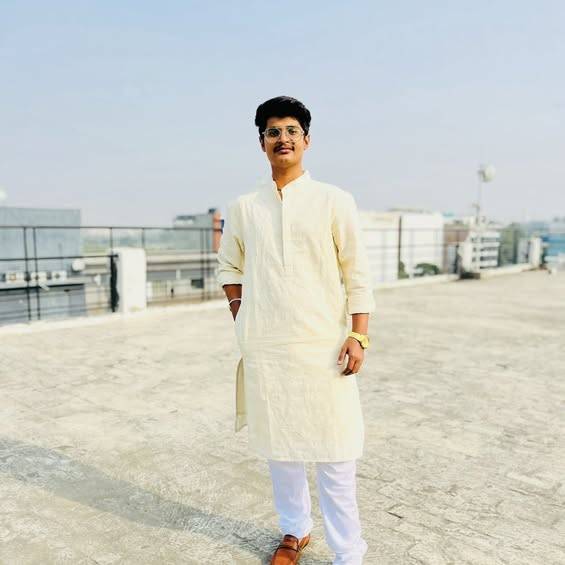
Hi, I am Raghav Ahuja a curious explorer, travel enthusiast, and the voice behind Travel The World Today. I believe in discovering the beauty of every destination without breaking the bank. Through my journeys, I share tips, stories, and travel guides to help you explore the world on a budget. Whether you’re a solo adventurer, a family traveler, or just planning your next escape, I’m here to inspire and guide you every step of the way.
Post Comment