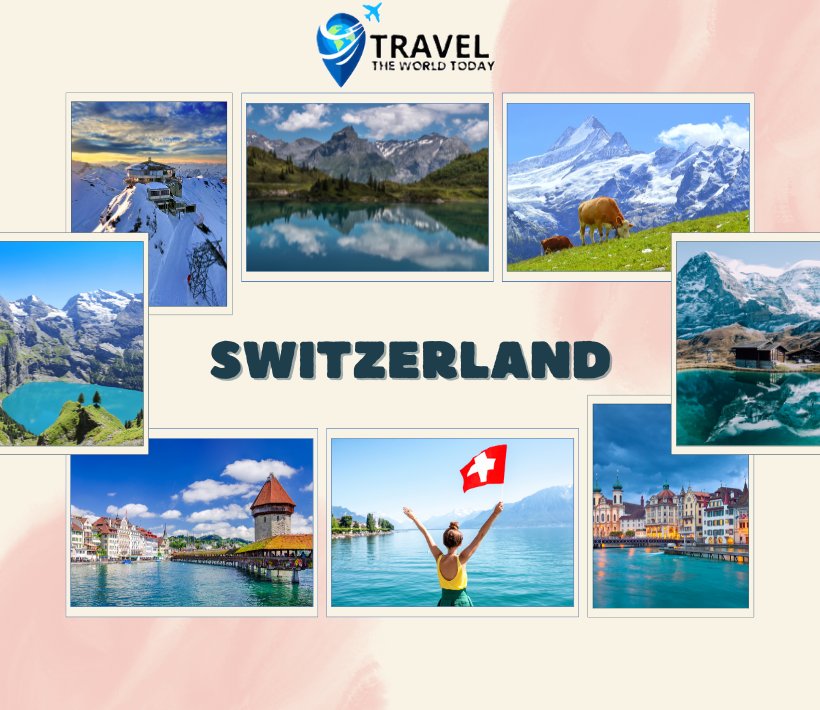
Switzerland Travel Safety: Is It Safe for Tourists Right Now?
- Switzerland is one of the safest countries in the world with very low crime rates.
- In 2026, it holds a Level 1 travel advisory, meaning normal precautions are enough.
- Major cities and tourist areas are safe day and night with strong police presence.
- Public transport, trains, and mountain cable cars are extremely reliable and secure.
- Switzerland is very safe for women, solo travelers, families, and Indian tourists.
- Healthcare and emergency services are world-class and fast.
- Natural disaster risks are low and well-managed through early warning systems.
Introduction: Is Switzerland Really as Safe as Everyone Says?
Did you know that Switzerland consistently ranks as one of the top 5 safest countries in the world, with crime rates 70% lower than most European destinations? This remarkable statistic isn’t just a number—it represents real peace of mind for millions of travelers exploring the Swiss Alps, charming cities, and picturesque villages each year.
When planning your dream European vacation, Switzerland travel safety naturally becomes a top priority. You want to wander through Zurich’s cobblestone streets without worry, ride cable cars to mountain peaks with confidence, and explore medieval towns knowing you’re protected. The good news? Switzerland delivers on its reputation as an exceptionally safe destination for tourists.
Travel The World Today guides you in every stage of your Swiss journey, from understanding current safety conditions to mastering local safety rules. This comprehensive guide reveals everything you need about Switzerland travel safety in 2026, including updated travel advisories, specific safety tips for women travelers, nighttime precautions, and practical advice that goes beyond generic travel warnings.
Whether you’re planning your first Swiss adventure or returning for another visit, understanding the current safety landscape helps you travel smarter and enjoy Switzerland’s breathtaking beauty without unnecessary stress.
Current Switzerland Travel Safety Status in 2026
Switzerland maintains its position as one of Europe’s safest travel destinations in 2026. The country’s stable political environment, low crime rates, and excellent infrastructure create an ideal environment for tourists.
The Global Peace Index ranks Switzerland in the top 10 safest countries worldwide. This rating reflects Switzerland’s minimal internal conflict, strong government institutions, and low levels of violent crime. Your chances of experiencing safety issues in Switzerland are significantly lower than in most other countries.
Current conditions across Switzerland remain stable and welcoming. Major cities like Zurich, Geneva, Basel, and Bern experience minimal security threats. Tourist areas in the Swiss Alps, including popular destinations like Interlaken, Zermatt, and Lucerne, maintain excellent safety records.
Recent data shows Switzerland’s crime statistics remain remarkably low:
| Crime Type | Rate per 100,000 People | Comparison to EU Average |
|---|---|---|
| Violent Crime | 12.4 | 68% lower |
| Theft | 189.3 | 54% lower |
| Tourist-Targeted Crime | 8.7 | 71% lower |
| Assault | 4.2 | 73% lower |
These numbers demonstrate Switzerland’s exceptional safety profile. Your risk of becoming a crime victim in Switzerland is substantially lower than in neighboring countries.
Switzerland Travel Advisory: What You Need to Know
Understanding official travel advisories helps you make informed decisions about your Swiss vacation. As of 2026, most countries maintain Level 1 travel advisories for Switzerland—the lowest risk category, meaning “exercise normal precautions.”
The Switzerland travel advisory to USA travelers recommends standard safety awareness without special restrictions. The U.S. State Department doesn’t list any Switzerland-specific warnings or concerns. This advisory level means you should simply follow the same common-sense safety practices you’d use at home.
Key points from current travel advisories include:
No Special Health Risks: Switzerland requires no mandatory vaccinations beyond routine immunizations. The country’s healthcare system ranks among the world’s best.
Minimal Terrorism Threat: While Switzerland maintains vigilance like all European nations, the terrorism risk remains low. Swiss authorities implement discreet but effective security measures.
Stable Political Environment: Switzerland’s neutrality and stable democracy eliminate political unrest concerns. Protests occur rarely and remain peaceful.
Excellent Emergency Services: Switzerland’s emergency response systems operate efficiently throughout the country. Help arrives quickly when needed.
The Switzerland travel advisory status hasn’t changed significantly in recent years. This consistency reflects Switzerland’s enduring commitment to maintaining safe conditions for residents and visitors alike.
Most insurance companies consider Switzerland a low-risk destination, often resulting in lower travel insurance premiums. This classification further confirms Switzerland’s excellent safety reputation.
Is Switzerland Safe for Women Travelers?
Is Switzerland safe for women? Absolutely. Switzerland ranks as one of the safest destinations globally for solo female travelers. Women consistently report feeling secure walking alone, using public transportation, and exploring Swiss cities and the countryside.
Switzerland’s gender equality index scores among the world’s highest. This cultural framework translates into respectful treatment of women throughout society. Street harassment occurs rarely, and Swiss culture emphasizes personal boundaries and mutual respect.
Several factors make Switzerland particularly safe for women travelers:
Low Crime Against Women: Sexual assault and harassment rates in Switzerland fall significantly below European averages. Women can walk through Swiss cities day or night with minimal concern.
Reliable Public Transportation: Switzerland’s punctual, clean public transit operates safely 24/7 in major cities. Women regularly use trains, trams, and buses alone without issues.
Well-Lit Streets: Swiss cities maintain excellent street lighting. Even smaller towns keep public spaces brightly illuminated after dark.
Helpful Locals: Swiss residents readily assist travelers who need help. Women traveling alone can ask for directions or recommendations without hesitation.
Practical Safety Tips for Women Travelers:
- Trust Your Instincts: While Switzerland is very safe, always listen to your intuition about people and situations.
- Share Your Itinerary: Let someone know your travel plans, especially when hiking or visiting remote areas.
- Use Official Transportation: Stick with licensed taxis, official rideshare apps, and public transit rather than accepting rides from strangers.
- Keep Valuables Secure: Use hotel safes for passports and extra cash. Carry only what you need for the day.
- Learn Key Phrases: Knowing basic German, French, or Italian phrases helps you communicate if issues arise.
- Download Safety Apps: Swiss emergency services apps provide quick access to help if needed.
Women traveling solo, in pairs, or in groups consistently rate Switzerland as their favorite safe destination in Europe. The combination of natural beauty, cultural richness, and exceptional safety creates an ideal environment for women explorers.
Essential Switzerland Travel Safety Rules
Following Switzerland travel safety rules ensures a smooth, worry-free vacation. Swiss authorities maintain high standards for public safety, and understanding these guidelines helps you stay compliant and protected.
Traffic and Pedestrian Rules:
Switzerland enforces strict traffic laws that protect pedestrians and drivers. Always cross streets at designated crosswalks. Swiss drivers typically stop for pedestrians, but wait for clear signals before crossing. Jaywalking can result in fines.
Right-of-Way Priority: Trams always have right-of-way. Never cross tram tracks when vehicles approach. This rule is critical in cities like Zurich and Geneva.
Alpine Safety Regulations:
The Swiss Alps attract millions of hikers and skiers annually. Following mountain safety rules protects you from preventable accidents.
- Check Weather Forecasts: Mountain weather changes rapidly. Always verify conditions before hiking or skiing.
- Stay on Marked Trails: Unmarked areas may contain hazards. Marked paths receive regular maintenance and monitoring.
- Inform Others: Tell your hotel or a friend about your hiking plans and expected return time.
- Carry Proper Equipment: Bring appropriate clothing, water, food, and a charged phone. Weather-appropriate gear is essential.
- Know Your Limits: Choose trails matching your fitness level. Swiss mountains demand respect regardless of your experience.
Legal Requirements:
Identification: Carry your passport or ID card at all times. Swiss law requires visitors to present identification when requested by authorities.
Smoking Restrictions: Switzerland prohibits smoking in enclosed public spaces, including restaurants, bars, and public transportation. Violations result in fines.
Quiet Hours: Residential areas enforce quiet hours, typically 10 PM to 7 AM on weekdays and all day Sunday. Excessive noise during these times may result in complaints or fines.
Drug Laws: Switzerland maintains strict drug laws despite progressive harm-reduction policies. Possession of illegal substances carries serious penalties.
Financial Safety Rules:
Declare Cash: If you’re carrying more than 10,000 Swiss Francs (or equivalent) in cash, you must declare it at customs.
Use Reputable Exchanges: Exchange currency at banks or official exchange offices. Avoid street exchanges, which may involve scams.
Card Security: Switzerland widely accepts credit cards. Use chip-and-PIN technology and monitor your accounts for unauthorized charges.
Is Switzerland Safe at Night?
Is Switzerland safe at night? Yes, Switzerland maintains excellent nighttime safety across cities, towns, and tourist areas. You can enjoy evening strolls, late dinners, and nightlife with minimal risk.
Major Swiss cities feature vibrant nightlife scenes with strong safety records. Zurich’s Langstrasse district, Geneva’s lakefront, and Basel’s old town remain active and safe after dark. Police maintain a visible presence in entertainment areas without creating an oppressive atmosphere.
Nighttime Safety in Major Cities:
Zurich: The city’s efficient public transportation runs until past midnight on weekdays and 24/7 on weekends. Well-lit streets and regular police patrols create a secure environment for nighttime activities.
Geneva: International organizations and diplomatic presence contribute to excellent security. The lakefront and old town remain popular evening destinations with minimal safety concerns.
Bern: Switzerland’s capital maintains a relaxed, safe atmosphere after dark. The medieval old town, a UNESCO World Heritage site, welcomes evening visitors without issues.
Lucerne: This picturesque city combines tourist appeal with excellent nighttime safety. The chapel bridge area and lakefront promenade remain well-populated and secure after sunset.
Practical Nighttime Safety Tips:
Stick to Main Areas: While Switzerland is generally safe everywhere, staying in well-populated areas provides additional security and access to help if needed.
Use Public Transportation: Swiss trains, trams, and buses operate safely throughout the night in major cities. This option is safer and more reliable than walking long distances in unfamiliar areas.
Travel in Groups: When possible, explore nightlife with companions. Groups naturally attract less attention from potential opportunists.
Watch Your Drinks: While drink spiking is rare in Switzerland, never leave beverages unattended in bars or clubs.
Keep Valuables Hidden: Avoid displaying expensive jewelry, electronics, or large amounts of cash during nighttime outings.
Know Your Route: Familiarize yourself with routes between your accommodation and nighttime destinations. Having clear directions reduces vulnerability.
Save Emergency Numbers: Program the Swiss emergency service number (112) into your phone before heading out.
Rural areas and mountain towns maintain even higher safety standards than cities. Small Swiss villages experience virtually zero nighttime crime. You can safely walk through Alpine towns after dark, though streets may be quiet and less well-lit than urban areas.
Switzerland Safety for Specific Traveler Groups
Different traveler demographics have unique safety considerations. Switzerland accommodates all visitor types with exceptional care and infrastructure.
Is Switzerland Safe for Indian Travelers?
Is Switzerland safe for Indian? Definitely. Switzerland welcomes Indian tourists warmly and maintains excellent safety standards for all nationalities. No specific safety concerns affect Indian travelers differently from other visitors.
Indian tourists comprise one of Switzerland’s fastest-growing visitor segments. Swiss tourism authorities actively cater to Indian preferences, offering vegetarian dining options, cultural accommodations, and Hindi-speaking guides in popular destinations.
Language Support: Major tourist areas provide information in English, which is widely spoken by most Indian travelers. Translation apps work well for other interactions.
Cultural Respect: Switzerland’s multicultural society respects diverse backgrounds. Indian travelers report feeling welcomed and safe throughout the country.
Religious Facilities: Major cities have Hindu temples and halal dining options. Swiss religious tolerance ensures you can practice your faith without issues.
Safety for Elderly Travelers:
Switzerland’s infrastructure makes it ideal for older visitors. Excellent public transportation, well-maintained sidewalks, and abundant seating areas accommodate mobility needs.
Accessibility Features: Swiss trains and stations offer wheelchair access and elevators. Tourist attractions provide ramps and accessible facilities.
Medical Support: World-class healthcare facilities operate throughout Switzerland. Elderly travelers can access medical care quickly if needed.
Pace-Friendly Tourism: Switzerland offers numerous seated activities—scenic train rides, boat tours, cable cars—that don’t require extensive walking.
Safety for Families with Children:
Switzerland ranks among the world’s most family-friendly destinations. Parents consistently report feeling secure bringing children of all ages.
Child-Safe Infrastructure: Playgrounds meet strict safety standards. Public spaces accommodate strollers and young children.
Low Crime Against Children: Switzerland maintains zero tolerance for crimes involving minors. Public spaces remain safe for children to explore with appropriate supervision.
Family Facilities: Restaurants, hotels, and attractions provide family amenities including high chairs, changing facilities, and children’s menus.
Educational Opportunities: Switzerland offers safe, enriching experiences for children, including chocolate factories, cheese-making demonstrations, and interactive museums.
Natural Disaster Safety in Switzerland
Is Switzerland safe from natural disasters? Switzerland experiences few natural disasters compared to most countries, though mountain-specific hazards require awareness.
Earthquake Risk: Switzerland sits in a relatively low seismic zone. Minor earthquakes occur occasionally but rarely cause damage or injuries. Building codes account for seismic activity, ensuring structural safety.
Flood Risk: Alpine regions experience occasional flooding during heavy rain or rapid snowmelt. Swiss early-warning systems provide advance notice. Avoid river valleys during severe weather warnings.
Avalanche Safety: Mountain areas face avalanche risk during winter and spring. Swiss authorities closely monitor conditions and close dangerous areas. Always follow avalanche warnings and stick to designated safe zones.
Avalanche Prevention Measures:
- Never venture into closed areas marked with warning signs
- Check daily avalanche bulletins before mountain activities
- Hire qualified guides for backcountry skiing or hiking
- Carry avalanche safety equipment if traveling off-piste
Weather-Related Hazards:
Mountain Weather Changes: Alpine weather shifts rapidly. Sunny mornings can turn into afternoon storms. Always check forecasts and carry appropriate gear.
Lightning Risk: Summer thunderstorms pose lightning hazards in exposed mountain areas. Descend from peaks and ridges when storms approach.
Cold Weather: Even summer temperatures drop significantly at high altitudes. Hypothermia risk exists year-round in Alpine regions.
Emergency Response Systems:
Switzerland maintains sophisticated early-warning systems for natural hazards. Emergency alerts reach mobile phones, hotels, and public spaces quickly. Swiss rescue services respond rapidly to mountain emergencies with helicopters and trained teams.
Swiss Natural Disaster Preparedness:
| Hazard Type | Risk Level | Swiss Response | Tourist Impact |
|---|---|---|---|
| Earthquakes | Low | Strict building codes | Minimal |
| Floods | Medium (localized) | Early warning systems | Rare disruptions |
| Avalanches | Medium (mountains) | Daily monitoring, closures | Follow warnings |
| Severe Weather | Medium (seasonal) | Advanced forecasting | Plan flexibility |
Switzerland’s natural disaster preparedness significantly exceeds that of most countries. The combination of monitoring technology, strict safety regulations, and rapid emergency response minimizes risks to tourists.
Transportation Safety in Switzerland
Switzerland operates one of the world’s safest transportation systems. Whether traveling by train, bus, car, or boat, Swiss transportation maintains exceptional safety standards.
Railway Safety:
Swiss trains rank among the world’s safest. The railway network carries millions of passengers annually with minimal accidents. Strict maintenance schedules, advanced safety technology, and well-trained personnel ensure reliable, secure travel.
On-Time Performance: Swiss trains operate with 90%+ punctuality. This reliability reduces rushed boarding and associated safety risks.
Platform Safety: Clear markings, barriers, and announcements prevent platform accidents. Yellow safety lines indicate safe standing distances.
Emergency Features: Trains include emergency communication systems, fire suppression, and clear evacuation procedures.
Road Safety:
Switzerland maintains excellent road conditions and strict traffic enforcement. Driving in Switzerland is safe when you follow local rules.
Speed Limits: Swiss police strictly enforce speed limits. Automated cameras monitor highways and residential areas.
Winter Driving: Swiss law requires winter tires or snow chains from October to April in mountain areas. Most rental cars include winter equipment during these months.
Tunnel Safety: Switzerland’s numerous tunnels feature emergency exits, fire suppression systems, and real-time traffic monitoring.
Mountain Road Precautions:
- Drive slowly on winding mountain roads
- Use lower gears on descents to preserve brakes
- Watch for cyclists and hikers on narrow roads
- Pull over to let faster vehicles pass on mountain routes
Public Transportation Security:
Buses, trams, and boats maintain the same high safety standards as trains. Swiss public transportation experiences minimal crime and excellent safety records.
Bike Safety:
Switzerland offers extensive cycling infrastructure. Dedicated bike lanes, clear signage, and driver awareness make cycling relatively safe. Always wear helmets and use bike lights when required.
Cable Car and Funicular Safety:
Swiss mountain transport systems undergo rigorous safety inspections. Cable cars, gondolas, and funiculars maintain excellent safety records despite operating in challenging mountain environments.
Health and Medical Safety
Switzerland’s healthcare system ranks among the world’s best, providing excellent medical safety for tourists. You can travel with confidence knowing quality care is available if needed.
Medical Facilities:
Swiss hospitals and clinics operate to the highest international standards. Major cities have multiple hospitals offering emergency and specialized care. Even remote mountain areas maintain medical stations staffed by qualified professionals.
English-Speaking Medical Staff:
Most Swiss doctors and nurses speak English, especially in tourist areas. Medical communication rarely poses problems for English-speaking travelers.
Emergency Medical Services:
Swiss ambulance services respond quickly throughout the country. Helicopter rescue services reach remote mountain areas within minutes.
Health Insurance Requirements:
Travel Insurance Recommended: While not mandatory for most tourists, travel insurance covering medical emergencies is highly advisable. Swiss medical care is excellent but expensive for uninsured patients.
European Health Insurance Card (EHIC): EU/EEA citizens should bring their EHIC card for coverage under reciprocal healthcare agreements.
Payment Expectations: Swiss medical facilities may require payment or proof of insurance before treatment. Keep credit cards accessible for medical emergencies.
Pharmacy Access:
Swiss pharmacies (Apotheke/Pharmacie/Farmacia) stock comprehensive medications and employ knowledgeable pharmacists. Many common medications available by prescription elsewhere can be purchased over the counter in Switzerland.
Pharmacy Hours: Most pharmacies open Monday-Friday 8 AM-6:30 PM and Saturday mornings. Cities maintain rotating emergency pharmacy schedules for after-hours needs.
Water Safety:
Swiss tap water is completely safe to drink throughout the country. The water quality often exceeds bottled water standards. Bring a reusable bottle and refill at fountains and taps.
Food Safety:
Swiss food safety standards rank among the world’s highest. Restaurants, markets, and food vendors follow strict hygiene regulations. Food poisoning is extremely rare in Switzerland.
Altitude Sickness:
High-altitude destinations like Jungfraujoch (3,454m) may cause altitude sickness in sensitive individuals. Symptoms include headaches, nausea, and fatigue.
Altitude Sickness Prevention:
- Ascend gradually when possible
- Stay hydrated
- Avoid alcohol during altitude adjustment
- Descend if symptoms worsen
Vaccination Requirements:
Switzerland requires no special vaccinations for tourists. Routine immunizations (measles, mumps, rubella, tetanus) should be current. Tick-borne encephalitis vaccination is recommended for extensive forest hiking during the summer months.
Common Scams and How to Avoid Them
While Switzerland maintains extremely low crime rates, tourists should remain aware of occasional scams. Recognizing common tactics helps you avoid these rare but annoying situations.
Currency Exchange Scams:
The Scam: Unofficial money changers or exchange offices offer attractive rates but use sleight of hand to short-change tourists or swap real bills for counterfeits.
Prevention: Use banks, post offices, or ATMs for currency exchange. Avoid street exchangers completely. Count all the money before leaving the exchange counters.
Overcharging Scams:
The Scam: Some tourist-area restaurants or shops charge inflated prices, add unauthorized service charges, or “mistakenly” overcharge tourists.
Prevention: Always check prices before ordering. Review bills carefully before paying. Request itemized receipts. Switzerland is expensive, but egregious overcharging is unacceptable.
Petition Scams:
The Scam: Individuals approach tourists requesting petition signatures for charities. While tourists read documents, accomplices pickpocket valuables.
Prevention: Politely decline petition requests. If interested in supporting causes, research organizations independently rather than signing street petitions.
Taxi Meter “Problems”:
The Scam: Unscrupulous taxi drivers claim meters are broken and quote inflated flat rates, or take unnecessarily long routes.
Prevention: Use licensed taxi stands at train stations or call reputable taxi companies. Uber operates in major Swiss cities. Insist on meter use. Know approximate fares for common routes.
Fake Police Scams:
The Scam: Criminals impersonate police officers and request to “inspect” wallets for counterfeit money, then steal cash.
Prevention: Real Swiss police wear uniforms and display badges. Uniformed officers may request ID but never ask to inspect wallets. If suspicious, call 112 to verify the officers’ authenticity.
ATM Skimming:
The Scam: Devices attached to ATMs capture card information for fraudulent use.
Prevention: Use ATMs inside banks when possible. Inspect card slots for unusual attachments. Cover the keypad when entering PINs.
Overall Scam Risk:
These scams occur far less frequently in Switzerland than in most tourist destinations. Switzerland’s low tolerance for crime and effective law enforcement keep scam attempts minimal. Basic awareness and common sense provide adequate protection.
Emergency Contacts and Resources
Knowing how to access help enhances your safety confidence. Switzerland maintains efficient emergency services accessible throughout the country.
Primary Emergency Numbers:
112 – European Emergency Number: Connects to police, fire, or medical services. Operators speak German, French, Italian, and English.
117 – Police: Direct line to police for non-life-threatening situations requiring law enforcement.
118 – Fire Department: Emergency fire and rescue services.
144 – Medical Emergencies: Ambulance services for medical crises.
1414 – REGA (Air Rescue): Swiss Air Rescue provides helicopter emergency medical services, particularly crucial for mountain accidents.
Embassy and Consulate Support:
Contact your country’s embassy or consulate for passport loss, legal issues, or serious emergencies:
U.S. Embassy Bern: +41 31 357 70 11 British Embassy Bern: +41 31 359 77 00 Indian Embassy Bern: +41 31 350 11 30 Australian Embassy Berlin (covers Switzerland): +49 30 880 0880
Tourist Assistance:
Switzerland Tourism Helpline: +41 800 100 200 (toll-free within Switzerland)
Lost and Found:
Report lost items to local police stations. Major train stations operate lost and found offices. Swiss honesty culture means lost items are frequently returned.
24/7 Assistance Apps:
Rega App: Free app provides one-touch access to Swiss air rescue services with automatic location transmission.
SOS EU ALP App: Mountain emergency app covering the Swiss Alps with rescue coordination features.
Medical Translation:
Medgate Telemedicine: +41 61 377 66 55 – Swiss medical advice hotline with multilingual support.
Banking Emergencies:
Credit Card Loss:
- Visa: +1 303 967 1096
- Mastercard: +1 636 722 7111
- American Express: +41 44 239 70 00
Mobile Coverage:
Switzerland maintains excellent mobile coverage throughout most areas. Major carriers (Swisscom, Sunrise, Salt) provide reliable service even in mountain regions. Consider purchasing a Swiss SIM card for extended stays.
Conclusion: Your Safe Swiss Adventure Awaits
Switzerland travel safety consistently exceeds expectations, making it one of the world’s most secure and stress-free destinations. From the bustling streets of Zurich to the remote Alpine villages, Switzerland maintains exceptional standards that protect tourists while allowing you to fully enjoy your vacation.
The evidence speaks clearly: low crime rates, excellent emergency services, sophisticated infrastructure, and a culture of safety create an environment where you can focus on experiencing Switzerland’s breathtaking beauty rather than worrying about security. Whether you’re a solo woman traveler, a family with children, or any other visitor type, Switzerland welcomes you with open arms and reliable protection.
Remember the key Switzerland travel safety rules: follow marked mountain trails, respect traffic laws, keep valuables secure, and maintain awareness of your surroundings. These simple practices, combined with Switzerland’s inherently safe environment, ensure a worry-free experience.
Travel The World Today guides you in every stage of your Swiss journey. Armed with this comprehensive safety knowledge, you’re ready to book that Swiss adventure you’ve been dreaming about. The alpine peaks, chocolate shops, medieval castles, and pristine lakes await you in one of the world’s safest countries.
Ready to experience Switzerland safely? Start planning your secure Swiss adventure today. Book your accommodations, research your itinerary, and prepare for an unforgettable journey through one of Europe’s most beautiful and secure destinations.
Frequently Asked Questions
Q: Is it safe to travel to Switzerland right now?
A: Yes, Switzerland remains extremely safe for tourists in 2026. The country maintains a Level 1 travel advisory status (exercise normal precautions) from most nations. No significant safety threats affect tourists currently.
Q: Is Switzerland safe to live?
A: Switzerland ranks among the world’s safest countries for residents and long-term visitors. Low crime rates, political stability, excellent healthcare, and strict rule of law create an exceptionally safe living environment.
Q: What should I avoid in Switzerland?
A: Avoid unmarked mountain trails during poor weather, unofficial currency exchangers, leaving valuables visible in parked cars, and ignoring traffic signals. Following basic safety awareness keeps you secure.
Q: Can I drink tap water in Switzerland?
A: Yes, Swiss tap water is safe, clean, and often superior to bottled water. Drink freely from taps and public fountains marked “eau potable” (drinking water).
Q: Do I need vaccinations for Switzerland?
A: No special vaccinations are required. Ensure routine immunizations are current. Tick-borne encephalitis vaccination is optional but recommended for extensive forest hiking during summer.
Q: How expensive is Switzerland compared to safety?
A: Switzerland is expensive but offers exceptional value in safety and quality. High costs reflect excellent infrastructure, services, and security that protect tourists effectively.
Q: Is Swiss healthcare good for tourists?
A: Swiss healthcare ranks among the world’s best. Medical facilities provide excellent care to tourists, though costs are high. Travel insurance covering medical expenses is strongly recommended.
Q: Are Swiss mountain activities safe?
A: Yes, when following proper precautions. Swiss mountain safety standards are excellent, but Alpine environments contain inherent risks. Follow marked trails, check weather forecasts, and respect warnings.
Q: Is Switzerland safe for solo travelers?
A: Absolutely. Switzerland is ideal for solo travel with minimal safety concerns. Excellent public transportation, friendly locals, and low crime make independent exploration comfortable and secure.
Q: What’s the emergency number in Switzerland?
A: Dial 112 for all emergencies (police, fire, medical). This European emergency number connects to appropriate services with English-speaking operators available.

Hi, I am Raghav Ahuja a curious explorer, travel enthusiast, and the voice behind Travel The World Today. I believe in discovering the beauty of every destination without breaking the bank. Through my journeys, I share tips, stories, and travel guides to help you explore the world on a budget. Whether you’re a solo adventurer, a family traveler, or just planning your next escape, I’m here to inspire and guide you every step of the way.

Post Comment