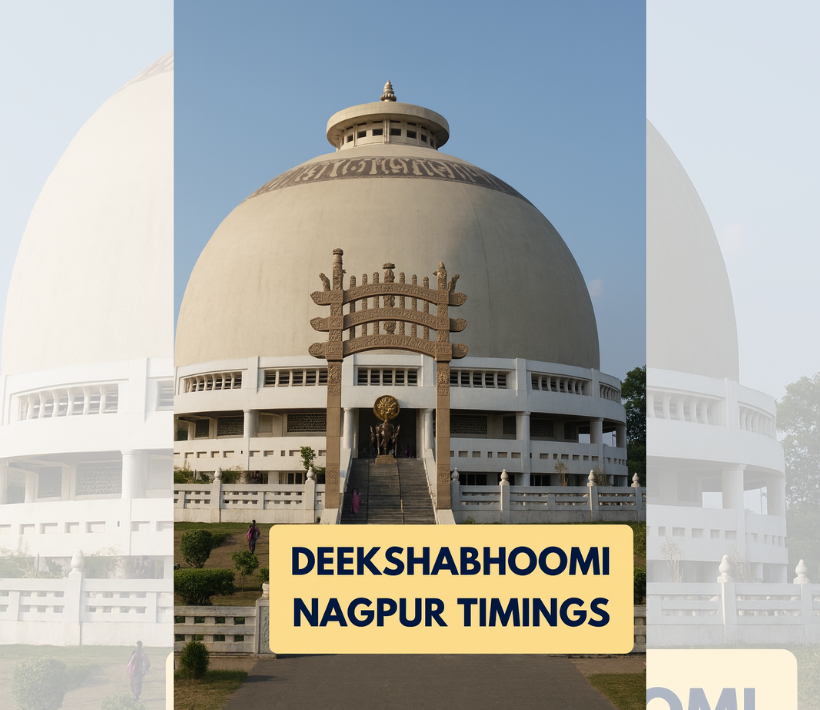
Deekshabhoomi Nagpur timings – when is the best time to visit peacefully?
Did you know that over 5 lakh visitors flock to Deekshabhoomi annually, yet most arrive during the same crowded hours? If you’re planning a spiritual journey to this sacred monument, understanding Deekshabhoomi Nagpur timings can transform your experience from chaotic to deeply peaceful.
Deekshabhoomi stands as one of India’s most significant Buddhist monuments, where Dr. B.R. Ambedkar embraced Buddhism alongside thousands of followers in 1956. This sacred site in Nagpur attracts pilgrims, history enthusiasts, and peace seekers throughout the year. But here’s the challenge: choosing the right time to visit can mean the difference between a serene spiritual experience and navigating through bustling crowds.
Travel The World Today guides you in every stage of planning your Deekshabhoomi visit. This comprehensive guide reveals everything about Deekshabhoomi Nagpur opening time, crowd patterns, seasonal considerations, and insider tips to help you experience this magnificent stupa in tranquility.
Whether you’re checking Deekshabhoomi timing today or planning your Deekshabhoomi Yatra months, you’ll discover exactly when to visit for maximum peace and spiritual connection.
🚗 Deekshabhoomi nagpur timings – when is the best time to Visit peacefully? Distance
📍 From: Deekshabhoomi nagpur timings – when is the best time
🎯 To: Visit peacefully?
🕒 Estimated Travel Time: 2–4 hours (by road)
📏 Distance: Approximate road distance
This route includes the best road options, travel tips and navigation map.
Understanding Deekshabhoomi Nagpur Opening Time
Standard Deekshabhoomi Timing Today
Deekshabhoomi opens daily from 6:00 AM to 9:00 PM, giving you 15 hours to plan your visit. These consistent hours make it convenient for both early risers and evening visitors to experience the monument.
The gates open promptly at 6:00 AM, welcoming morning meditation practitioners and devotees who prefer cooler temperatures. The site remains accessible throughout the day without any mid-day closures, unlike many historical monuments in India.
Evening hours extend until 9:00 PM, allowing working professionals and late travelers to visit comfortably. The monument’s lighting creates a magical atmosphere after sunset, offering a completely different experience from daytime visits.
Weekend and Holiday Timings
Deekshabhoomi Nagpur timings Sunday remain identical to weekday schedules—6:00 AM to 9:00 PM. However, weekends see significantly higher footfall, especially during morning and evening hours.
Saturdays and Sundays attract local families, student groups, and regional tourists, making these days busier than weekdays. If you’re seeking solitude, weekends might not be your best option unless you visit during off-peak hours.
National holidays and long weekends create the highest crowd density at Deekshabhoomi. Plan accordingly if you’re visiting during Independence Day, Republic Day, or Gandhi Jayanti.
Deekshabhoomi Nagpur Timings Sunday vs Weekdays
Here’s a quick comparison to help you decide:
| Day Type | Opening Time | Closing Time | Crowd Level | Best For |
|---|---|---|---|---|
| Monday–Thursday | 6:00 AM | 9:00 PM | Low to Moderate | Peaceful visits |
| Friday | 6:00 AM | 9:00 PM | Moderate | Regular visits |
| Saturday | 6:00 AM | 9:00 PM | High | Group visits |
| Sunday | 6:00 AM | 9:00 PM | Very High | Family outings |
| Public Holidays | 6:00 AM | 9:00 PM | Extremely High | Festival experience |
Weekdays offer the most peaceful environment, particularly Tuesday through Thursday. Mondays see slightly more visitors as many people start their week with spiritual visits.
Best Times to Visit for a Peaceful Experience
Early Morning Visits (6 AM – 9 AM)
Early morning represents the most peaceful period to experience Deekshabhoomi. Arriving right at 6:00 AM gives you almost exclusive access to the monument during the first hour.
The morning atmosphere offers several advantages. The air feels fresh and cool, especially during the summer months when midday temperatures become uncomfortable. Morning light creates beautiful photography opportunities, casting soft golden hues across the white stupa.
Many serious practitioners arrive early for meditation sessions. You’ll find a calm, spiritual energy that’s absent during busier hours. The surrounding gardens appear pristine, with dew still visible on the grass and plants.
Consider arriving by 6:30 AM if you want 2-3 hours of relatively crowd-free exploration. By 9:00 AM, school groups and tour buses typically start arriving, marking the beginning of peak hours.
Weekday Afternoons (2 PM – 4 PM)
Weekday afternoons between 2:00 PM and 4:00 PM create another peaceful window, though less popular due to the heat. Most visitors avoid midday heat, leaving the monument relatively empty during these hours.
This timing works exceptionally well during winter months (November-February) when afternoon temperatures remain pleasant. You’ll have ample space to walk around the stupa, meditate in quiet corners, and photograph the structure without people in your frame.
The afternoon sun illuminates the monument from different angles than morning light, offering unique visual perspectives. If you’re visiting during cooler months, this period provides an excellent balance between comfort and solitude.
Pack water, wear a hat, and carry sunscreen if visiting during summer afternoons. The heat can be intense, but the peace make it worthwhile for heat-tolerant visitors.
Evening Hours (5 PM – 7 PM)
Evening visits between 5:00 PM and 7:00 PM offer a magical experience as the monument transitions from day to night. The setting sun creates dramatic lighting, and temperatures drop to comfortable levels.
As evening approaches, the stupa’s lighting system activates, transforming the white structure into a glowing beacon. This illumination creates stunning photography opportunities and enhances the spiritual ambiance.
Evening crowds differ from morning ones. You’ll encounter more residents taking evening walks, couples seeking peaceful moments, and photography enthusiasts. The atmosphere feels relaxed rather than rushed.
Visiting around 6:00 PM gives you time to experience both daylight and illuminated views. Stay until 7:30 PM or 8:00 PM to fully appreciate the evening transformation before the 9:00 PM closing time.
Crowd Patterns Throughout the Day
Peak Hours to Avoid
Peak crowd hours at Deekshabhoomi typically run from 9:30 AM to 12:30 PM and again from 3:30 PM to 5:30 PM on weekends. These windows see maximum visitor influx, making peaceful contemplation challenging.
School excursions dominate mid-morning hours, bringing large groups of students who create considerable noise and activity. Tour groups follow similar schedules, arriving mid-morning and staying through lunch hours.
Sunday mornings (9:00 AM – 1:00 PM) see the highest weekly crowds as families visit after breakfast. During Ambedkar Jayanti (April 14), crowds multiply exponentially, with lakhs of devotees visiting throughout the day.
If you arrive during peak hours, expect:
- Long queues at entry points
- Crowded pathways around the stupa
- Difficulty finding quiet meditation spots
- Challenges getting clear photographs
- Limited parking availability
Off-Peak Peaceful Periods
The most peaceful visiting windows include:
Tuesday through Thursday mornings (6:00 AM – 8:30 AM): Minimal crowds, spiritual atmosphere, ideal for meditation.
Weekday afternoons (1:30 PM – 3:30 PM): Hot but quiet, perfect for winter visits, excellent for photography.
Late evenings (7:30 PM – 8:30 PM): Winding down period, beautiful lighting, romantic ambiance for couples.
Monday mornings after 10:00 AM: Many weekly visitors come early, leaving late morning surprisingly calm.
These off-peak periods let you experience Deekshabhoomi’s true essence without distractions. You can walk the circumambulation path slowly, sit in meditation for extended periods, and absorb the monument’s spiritual significance.
Special Event Days
Ambedkar Jayanti (April 14) transforms Deekshabhoomi into a massive pilgrimage site. Over 10 lakh visitors arrive during the three-day celebration, making this the year’s busiest period.
Dhamma Chakra Pravartan Din (October 14) commemorates Dr. Ambedkar’s conversion to Buddhism. Thousands of devotees gather for special ceremonies and prayers, creating intense crowding from early morning through evening.
Buddha Purnima (full moon day in April/May) attracts Buddhist devotees for special prayers and rituals. While smaller than Ambedkar Jayanti crowds, this remains a significantly busy day.
During these special events, arriving before 5:00 AM becomes necessary for any hope of peaceful darshan. Consider whether you want the festival atmosphere or peaceful contemplation when planning around these dates.
Seasonal Considerations for Your Visit
Summer Visits (March – June)
Summer temperatures in Nagpur reach 42-48°C (108-118°F), making Deekshabhoomi visits challenging during midday hours. Plan your visit for early morning or late evening to avoid harsh heat.
The Deekshabhoomi opening time of 6:00 AM becomes crucial during summer. Arriving at opening time gives you 3-4 comfortable hours before temperatures become uncomfortable.
Benefits of summer visits include:
- Smaller crowds due to heat deterrence
- More accommodation options at lower rates
- Easier parking availability
- Better chances for peaceful meditation
Evening visits after 6:00 PM provide relief as temperatures drop. The monument’s white marble remains warm but manageable after sunset.
Hydration becomes critical during summer visits. Carry sufficient water, wear light-colored clothing, and take breaks in shaded areas around the complex.
Monsoon Season (July – September)
Monsoon brings relief from heat but introduces rain-related considerations. Nagpur receives moderate to heavy rainfall during these months, creating lush green surroundings at Deekshabhoomi.
The monument remains open during rain unless weather conditions become severe. Drizzles create a serene, romantic atmosphere that many visitors find deeply spiritual.
Monsoon visiting tips:
- Carry an umbrella or raincoat
- Wear waterproof footwear
- Protect camera equipment
- Check weather forecasts before visiting
- Be prepared for potential schedule changes
Crowds thin considerably during rainy days, offering unexpected peaceful experiences. The rain-washed air feels fresh, and the garden areas bloom beautifully.
Winter Months (October – February)
Winter represents the ideal season for visiting Deekshabhoomi. Temperatures range from 10-28°C (50-82°F), providing comfortable conditions throughout the day.
Pleasant weather attracts more tourists during winter, particularly December and January, when North Indian visitors escape the harsh cold. Despite increased crowds, the comfortable temperatures make any time slot viable.
Winter advantages include:
- All-day visiting comfort
- Best photography lighting conditions
- Comfortable meditation sessions
- Pleasant walking around the complex
- Enjoyable evening illumination viewing
November through February sees peak tourist season in Nagpur. Book accommodations early and expect moderate crowds even during weekday visits.
Festival Seasons and Ambedkar Jayanti
Ambedkar Jayanti (April 14) creates the year’s most significant crowd surge. The three-day celebration (April 13-15) brings massive pilgrimage groups from across India.
During Ambedkar Jayanti week:
- Expect 5-10 times the normal crowd levels
- Parking becomes extremely difficult
- Accommodation prices increase significantly
- Local transportation faces heavy demand
- Entry queues extend for hours
If you want to experience the festival atmosphere, arrive during Ambedkar Jayanti. If you seek peaceful contemplation, avoid April 10-17 entirely.
Dhamma Chakra Pravartan Din (October 14) creates similar but slightly smaller crowds. Buddhist devotees from Maharashtra, Madhya Pradesh, and surrounding regions participate in special ceremonies.
Planning Your Deekshabhoomi Yatra
How to Reach Dikshabhumi Nagpur Location
Dikshabhumi Nagpur location sits in central Nagpur, approximately 3 kilometers from Nagpur Railway Station and 8 kilometers from Dr. Babasaheb Ambedkar International Airport.
By Air: Dr. Babasaheb Ambedkar International Airport (NAG) connects Nagpur to major Indian cities. Prepaid taxis and app-based cabs take 20-25 minutes to reach Deekshabhoomi, costing ₹250-350.
By Train: Nagpur Railway Station serves as a major junction with excellent connectivity. Auto-rickshaws (₹50-80) and cabs (₹100-150) reach Deekshabhoomi in 10-15 minutes.
By Road: Nagpur sits at the intersection of National Highways NH44 and NH53. State-run and private buses connect Nagpur to Maharashtra cities and neighboring states. From the main bus stand, Deekshabhoomi lies 4 kilometers away.
Local Transportation: City buses (Route 17, 30, 103) stop near Deekshabhoomi. Auto-rickshaws and app-based cabs provide convenient door-to-door service.
Dikshabhumi Nagpur Distance from Major Points
Here’s a helpful distance reference table:
| Starting Point | Distance to Deekshabhoomi | Travel Time |
|---|---|---|
| Nagpur Railway Station | 3 km | 10–15 minutes |
| Nagpur Airport | 8 km | 20–25 minutes |
| Sitabuldi (City Center) | 5 km | 15–20 minutes |
| Ramtek Temple | 45 km | 1 hour |
| Tadoba National Park | 140 km | 3 hours |
| Mumbai | 820 km | 14–15 hours |
| Pune | 700 km | 12 hours |
| Hyderabad | 500 km | 8–9 hours |
GPS Coordinates: 21.1355° N, 79.0825° E
Planning your Deekshabhoomi Yatra becomes easier when you understand these distances. Most visitors combine Deekshabhoomi with other Nagpur attractions like Ramtek Temple, Sevagram Ashram, or Tadoba Tiger Reserve.
Parking and Entry Information
Deekshabhoomi offers ample parking facilities with designated areas for cars, buses, and two-wheelers. Parking charges remain nominal (₹20 for two-wheelers, ₹50 for cars).
Entry to Deekshabhoomi is completely free. No tickets, passes, or bookings are required. This accessibility reflects Dr. Ambedkar’s vision of creating inclusive spaces.
Security checks occur at entry gates. Prohibited items include:
- Large bags and backpacks
- Food and beverages
- Tobacco products
- Sharp objects
- Professional photography equipment (permission required)
Lockers and cloakroom facilities operate near the entrance for storing bags and personal items. Small purses and mobile phones are permitted inside.
Parking fills quickly during weekends and special events. Arriving early ensures convenient parking spots close to the entrance. During Ambedkar Jayanti, temporary parking arrangements extend to nearby grounds.
What to Expect During Your Visit
Duration of Visit
A thorough Deekshabhoomi visit typically requires 1.5 to 2 hours. This duration includes walking around the stupa, meditation, photography, and exploring the surrounding gardens.
Quick visits can be completed in 45 minutes if you’re short on time. However, rushing through misses the spiritual essence that makes Deekshabhoomi special.
Plan for extended time if you want to:
- Meditate peacefully inside the main hall
- Circumambulate the stupa multiple times
- Study architectural details
- Read informational displays
- Photograph from various angles
- Visit the small museum and library
Evening visits may extend longer as you’ll want to see both daylight and illuminated views. The transformation from day to night creates a magical experience worth the extra time.
Photography Rules
Photography is generally permitted at Deekshabhoomi for personal use. Mobile phone photography faces no restrictions in outdoor areas around the stupa.
Inside the main meditation hall, maintain silence and avoid flash photography. Respect other visitors’ meditative practices when taking photos.
Professional photography equipment (DSLRs with large lenses, tripods, lighting equipment) requires permission from authorities. Commercial photography and videography need advance approval and may involve fees.
Best photography spots include:
- Main entrance gate with stupa in the background
- Circumambulation path from various angles
- Gardens during golden hour
- Evening illuminated stupa
- Architectural details of gates and pillars
Drone photography is strictly prohibited for security reasons. Always ask before photographing people, especially monks and devotees in meditation.
Dress Code and Etiquette
Deekshabhoomi has no strict dress code, but modest clothing shows respect for the sacred site. Comfortable, conservative attire works best.
Recommended clothing:
- Full-length pants or long skirts
- Covered shoulders and torso
- Comfortable walking shoes
- Light colors for summer visits
- Layers for winter mornings
Avoid overly revealing or tight clothing out of respect for the religious nature of the site. Many visitors wear traditional Indian attire, though Western clothing is perfectly acceptable.
Expected etiquette includes:
- Removing shoes before entering the main hall
- Maintaining silence inside meditation areas
- Walking clockwise during circumambulation
- Not touching or leaning on the stupa structure
- Disposing of trash in designated bins
- Respecting ongoing prayers and ceremonies
Speaking softly, moving mindfully, and maintaining a respectful demeanor enhance everyone’s experience. Remember that Deekshabhoomi serves as an active place of worship, not merely a tourist attraction.
Checking Deekshabhoomi Nagpur Timings Tomorrow
Where to Find Updated Timings
Standard timings remain consistent (6:00 AM – 9:00 PM daily), but checking ahead prevents unexpected issues. Several reliable sources provide current information.
Official sources for Deekshabhoomi timing today:
- Nagpur Municipal Corporation Website: The NMC website occasionally posts updates about Deekshabhoomi timings and special events.
- Tourism Maharashtra Portal: The official Maharashtra tourism site includes information about major monuments, including Deekshabhoomi.
- Local Nagpur News Outlets: Regional newspapers and news websites report any timing changes or special events.
- Google Search: Searching “Deekshabhoomi Nagpur timings tomorrow” typically shows current information in Google’s knowledge panel.
- Social Media: Deekshabhoomi’s social media presence sometimes announces special events or timing changes.
Pro tip: Call your Nagpur hotel or accommodation provider the night before your visit. Local staff members have current information about monument timings and crowd expectations.
Holiday Closures and Special Days
Deekshabhoomi rarely closes completely, remaining open even on major Indian holidays. The monument’s significance to the Buddhist and Ambedkarite communities means continuous accessibility.
Potential exceptions include:
- Extreme weather conditions (severe storms, flooding)
- Major security concerns
- Structural maintenance (extremely rare)
- VIP visits (temporarily restricted access)
During special commemoration days, timings remain the same but access may be regulated. Security increases during Ambedkar Jayanti and Dhamma Chakra Pravartan Din, sometimes creating temporary entry queues.
Major Buddhist festivals see extended evening hours occasionally. The site may remain open later than 9:00 PM during Vesak (Buddha Purnima) or Ambedkar Jayanti celebrations, though this isn’t officially advertised.
Always check Deekshabhoomi timing today if visiting during:
- National holidays (Republic Day, Independence Day)
- Religious festivals (Diwali, Holi)
- Local festivals specific to Maharashtra
- Election days (polling or counting)
The likelihood of closure remains minimal, but being informed prevents travel disappointments.
Tips for a Meaningful Visit
Maximize your Deekshabhoomi experience with these practical and spiritual tips:
1. Arrive during opening hours for the best experience: The first hour after 6:00 AM opening provides maximum peace and spiritual atmosphere.
2. Learn the history before visiting: Understanding Dr. Ambedkar’s significance and the 1956 conversion ceremony deepens your experience. Read about the Dhamma Chakra Pravartan event that took place here.
3. Practice mindful circumambulation: Walk clockwise around the stupa three times while reflecting on Buddhist principles of wisdom, compassion, and liberation.
4. Spend time in silent meditation: The main hall offers powerful energy for meditation. Even 15-20 minutes of silent sitting creates meaningful spiritual connection.
5. Respect the local community: Many visitors are pilgrims who’ve traveled long distances for darshan. Maintain quiet respect for their devotional practices.
6. Explore the surrounding area: The gardens, library, and small museum add context to your visit. Don’t rush past these supplementary attractions.
7. Visit with an open heart: Regardless of your religious background, approach Deekshabhoomi with openness to its message of social equality and human dignity.
8. Stay hydrated and comfortable: Carry water, wear comfortable shoes, and prepare for weather conditions. Physical comfort enhances spiritual focus.
9. Combine with other Nagpur attractions: Plan visits to nearby sites like the Dragon Palace Temple, Seminary Hills, or Ambazari Lake for a complete Nagpur experience.
10. Return at different times: If staying in Nagpur multiple days, visit Deekshabhoomi during both morning and evening hours to experience different energies.
Travel The World Today guides you in every stage of spiritual and cultural exploration. These tips transform a simple site visit into a meaningful journey of understanding and reflection.
Conclusion and Call to Action
Your spiritual journey to Deekshabhoomi Nagpur deserves thoughtful planning that goes beyond simply knowing the opening hours. Understanding Deekshabhoomi Nagpur timings, crowd patterns, seasonal variations, and peaceful visiting windows transforms an ordinary monument visit into a profound experience of connection and reflection.
This magnificent stupa stands as more than architectural beauty. It represents Dr. B.R. Ambedkar’s revolutionary vision of social equality, human dignity, and spiritual liberation. Visiting during quiet hours allows you to truly absorb this powerful legacy without distraction.
Key takeaways for your visit:
- Arrive early (6:00-8:30 AM on weekdays) for the most peaceful experience
- Avoid weekends and special event days if seeking solitude
- Winter months (November-February) offer ideal weather conditions
- Deekshabhoomi opening time remains 6:00 AM daily, with 9:00 PM closing time
- Entry is free with no booking required
- Plan 1.5-2 hours for a meaningful visit
Whether you’re checking Deekshabhoomi timing today or planning your Deekshabhoomi Yatra months ahead, you now have everything needed for an enriching, peaceful visit.
Travel The World Today guides you in every stage of your journey. We believe that understanding the practical details—timings, routes, weather, crowds—frees your mind to focus on what truly matters: experiencing the spiritual essence of sacred places like Deekshabhoomi.
Ready to experience Deekshabhoomi’s tranquil power? Plan your visit during off-peak hours, arrive with an open heart, and allow yourself time to truly connect with this remarkable monument’s deeper meaning.
Share this guide with fellow travelers planning their Nagpur pilgrimage. Have you visited Deekshabhoomi? What time of day did you find most peaceful? Share your experiences in the comments below to help future visitors plan their perfect journey.
Start planning your Deekshabhoomi visit today—because the right timing makes all the difference between a crowded tourist stop and a transformative spiritual experience.
Frequently Asked Questions (FAQs)
Q: What are the exact Deekshabhoomi Nagpur opening time hours?
A: Deekshabhoomi opens daily from 6:00 AM to 9:00 PM without mid-day closures. These timings remain consistent throughout the year, including weekends and most holidays.
Q: Is there any entry fee to visit Deekshabhoomi?
A: No, Deekshabhoomi entry is completely free. No tickets, bookings, or passes are required. Small parking charges (₹20-50) apply if arriving by vehicle.
Q: What is the best time to visit Deekshabhoomi for peace?
A: Early morning (6:00-8:30 AM on weekdays) offers the most peaceful experience. Weekday afternoons (2:00-4:00 PM) and late evenings (7:30-8:30 PM) also provide calm atmospheres.
Q: How much time should I allocate for a Deekshabhoomi visit?
A: Plan for 1.5 to 2 hours to experience the monument properly, including circumambulation, meditation, and photography. Quick visits can be done in 45 minutes if necessary.
Q: Can I visit Deekshabhoomi during Ambedkar Jayanti?
A: Yes, but expect massive crowds during April 13-15. Arrive before 5:00 AM for any hope of peaceful darshan. If seeking solitude, avoid this week entirely.
Q: What is the distance from Nagpur Railway Station to Deekshabhoomi?
A: Dikshabhumi Nagpur distance from the railway station is approximately 3 kilometers, requiring 10-15 minutes by auto-rickshaw or taxi.
Q: Are there dress code restrictions at Deekshabhoomi?
A: No strict dress code exists, but modest, conservative clothing is recommended out of respect. Cover shoulders and knees, and be prepared to remove shoes before entering the main hall.
Q: Can I take photographs inside Deekshabhoomi?
A: Yes, personal photography is allowed in outdoor areas and most indoor spaces. Maintain silence in meditation areas, avoid flash inside the main hall, and respect others’ privacy.
Q: What are the Deekshabhoomi Nagpur timings Sunday?
A: Sunday timings remain 6:00 AM to 9:00 PM, identical to weekdays. However, Sundays see significantly higher crowds, especially during morning and afternoon hours.
Q: Is Deekshabhoomi accessible for elderly and differently-abled visitors?
A: Yes, wheelchair-accessible pathways connect major areas. The circumambulation path is flat and easy to navigate. Assistance is available from staff if needed.
Hi, I am Raghav Ahuja a curious explorer, travel enthusiast, and the voice behind Travel The World Today. I believe in discovering the beauty of every destination without breaking the bank. Through my journeys, I share tips, stories, and travel guides to help you explore the world on a budget. Whether you’re a solo adventurer, a family traveler, or just planning your next escape, I’m here to inspire and guide you every step of the way.



Post Comment