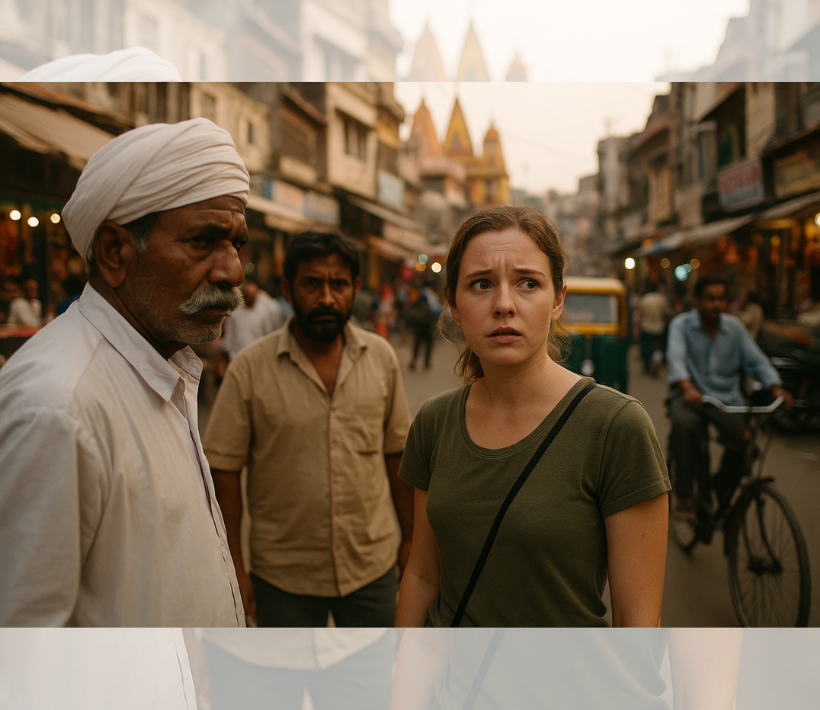
Is India Safe to Travel Without a Local Guide? A Local Travel Guide
Did you know that over 10 million international tourists visited India in 2023, with nearly 60% traveling independently without local guides? Yet safety remains the number one question potential visitors ask. Is India safe to travel without constant supervision? The answer might surprise you.
India offers one of the most rewarding travel experiences on Earth. From the Himalayan peaks to Kerala’s backwaters, you can explore this diverse nation independently. But smart travel requires understanding real risks, not just fears based on headlines.
This guide answers your biggest safety questions with practical, honest advice. You’ll learn when you need a guide, when you don’t, and how to navigate India confidently on your own terms. Travel The World Today guides you in every stage of planning your Indian adventure safely and successfully.
🚗 Is india safe to Travel without a local guide? a local travel guide Distance
📍 From: Is india safe
🎯 To: Travel without a local guide? a local travel guide
🕒 Estimated Travel Time: 2–4 hours (by road)
📏 Distance: Approximate road distance
This route includes the best road options, travel tips and navigation map.
Understanding Safety in India: The Real Picture
What the Statistics Really Say
Is India safe to travel based on actual data? The numbers tell an encouraging story. India ranks as a medium-risk destination for tourists, similar to popular countries like Mexico, Egypt, and Morocco.
The Ministry of Tourism reports that serious incidents involving foreign tourists decreased by 23% between 2019 and 2023. Most travelers complete their trips without experiencing crime or safety issues.
However, petty theft and scams do occur, especially in crowded tourist areas. Common issues include overcharging, pickpocketing, and aggressive touts. These annoyances rarely escalate to dangerous situations.
Common Safety Myths vs Reality
Let’s separate fact from fiction about traveling in India:
Myth: You’ll constantly face dangerous situations. Reality: Most safety challenges involve minor scams or discomfort, not violence.
Myth: Women cannot travel safely alone in India. Reality: Thousands of solo female travelers explore India successfully each year with proper precautions.
Myth: You need a guide everywhere you go. Reality: Major cities and tourist circuits have excellent infrastructure for independent travel.
Myth: All areas of India are equally risky. Reality: Safety varies significantly by region, with tourist areas generally safer than remote border regions.
Is India Safe to Travel Without a Local Guide?
Solo Travel Considerations
You can absolutely explore India without a local guide. Millions of backpackers, solo travelers, and couples navigate the country independently every year.
Independent travel works best in well-established tourist circuits. Cities like Jaipur, Mumbai, Goa, and Kochi have strong tourism infrastructure. You’ll find English speakers, reliable transportation, and fellow travelers.
Technology makes guideless travel easier than ever. Apps like Google Maps, Uber, and MakeMyTrip help you navigate without local expertise. Translation apps bridge language gaps in non-English speaking areas.
When You Actually Need a Guide
Certain situations benefit from hiring a local guide:
Complex historical sites like Hampi or Ajanta Caves offer much richer experiences with expert explanation. The stories behind ancient ruins transform from confusing rocks into fascinating history.
Remote trekking areas in Ladakh, Himachal Pradesh, or Uttarakhand require guides for safety and navigation. Mountain weather changes rapidly, and trails aren’t always well-marked.
Wildlife safaris in national parks like Ranthambore or Kaziranga legally require certified guides. They know animal behavior and where to find rare species.
Off-the-beaten-path villages where English isn’t spoken benefit from translator guides. Cultural nuances become clearer with someone who understands both worlds.
When You Don’t Need a Guide
Skip the guide for these situations:
Major cities have clear signage, metros, and ride-sharing apps. You’ll navigate Delhi, Mumbai, or Bangalore as easily as any major world city.
Beach destinations like Goa or Varkala cater heavily to independent tourists. Everything is walkable, and English is widely spoken.
Train journeys are straightforward once you understand the booking system. India’s railway network is extensive and relatively safe.
Shopping and dining in tourist areas don’t require assistance. Menus often include English, and prices are usually posted.
Safety Tips for Different Types of Travelers
Is India Safe for Women Travelers?
Is India safe to travel for women remains a top concern. The honest answer: yes, with smart precautions.
Female travelers face additional challenges in India, primarily unwanted attention and staring. This rarely escalates to physical danger but can feel uncomfortable.
Key safety strategies for women:
- Dress modestly in conservative areas. Cover shoulders and knees, especially at religious sites.
- Avoid walking alone late at night in unfamiliar areas. Use registered taxis or ride-sharing apps.
- Book women-only accommodations or hostels with good security reviews.
- Trust your instincts about situations and people. If something feels wrong, remove yourself.
- Use women-only train compartments on overnight journeys. These exist on most major routes.
- Join female travel communities online for current advice and support.
Many solo female travelers report feeling safer in South India (Kerala, Tamil Nadu) than in North India. Tourist areas of Rajasthan are generally safe with basic precautions.
Is India Safe for White Tourists?
Is India safe for white tourists or other foreign visitors? Absolutely, though you’ll attract more attention than locals.
Light-skinned travelers often experience curious stares and photo requests, especially outside major cities. This attention is usually harmless curiosity, not hostility.
Challenges specific to foreign tourists:
Tourist scams target visible foreigners more than local travelers. Common scams include gem schemes, overpriced tours, and fake government offices.
Overcharging happens frequently. Always negotiate rickshaw fares before riding, or use metered taxis and ride apps.
Aggressive touts approach foreign tourists at transportation hubs. Have a plan and walk confidently to avoid their pitches.
Your foreign appearance doesn’t make you physically unsafe. It just requires awareness that some people see you as a business opportunity.
Family Travel Safety Tips
India welcomes family travelers warmly. Children receive extra attention and kindness from locals.
Family-specific safety considerations:
- Food safety becomes more critical with children. Stick to well-cooked, hot foods from reputable restaurants.
- Hydration in India’s heat is essential. Carry bottled water everywhere.
- Accommodation should prioritize cleanliness and security over budget savings.
- Transportation options like private drivers offer more safety and comfort than public buses.
- Healthcare access matters more with kids. Stay in cities with quality hospitals, or carry comprehensive travel insurance.
Region-by-Region Safety Guide
| Region | Safety Level | Key Considerations | Best For |
|---|---|---|---|
| Delhi/NCR | Medium | Scams, air pollution, traffic | Culture, history, transit hub |
| Rajasthan | High | Tourist-friendly, well-policed | First-time visitors, families |
| Goa | High | Beach safety, party culture | Relaxation, nightlife |
| Kerala | Very High | Safest region overall | Solo travelers, wellness |
| Mumbai | Medium-High | Crowded, fast-paced | Business, urban culture |
| Himachal/Uttarakhand | Medium | Weather, altitude, remote areas | Adventure, trekking |
| Northeast States | Medium | Remote, permit requirements | Off-beaten-path explorers |
| Kashmir | Low-Medium | Political tensions, restrictions | Experienced travelers only |
Delhi Safety Overview
Is it safe to travel to Delhi India right now? Delhi presents typical big-city challenges. The capital sees millions of tourists annually, and most visit without serious incidents.
Delhi safety realities:
The metro system is safe, clean, and efficient. Women have designated metro cars during certain hours. Stick to metro travel when possible.
Scams flourish near major tourist sites like India Gate, the Red Fort, and Connaught Place. Touts offer “government-approved” tours that cost triple the actual price.
Air quality poses health concerns, especially from November through February. Sensitive individuals should carry masks and limit outdoor exposure on high-pollution days.
Accommodation in established tourist areas like Paharganj, Hauz Khas, or South Delhi is generally safe. Choose places with good security and recent positive reviews.
Tourist Hotspots and Safety Levels
Safest tourist destinations in India:
Jaipur (Rajasthan): Well-policed tourist infrastructure, clear signage, accustomed to foreign visitors.
Udaipur (Rajasthan): Smaller, more manageable than Jaipur, with a relaxed pace and friendly locals.
Kochi (Kerala): Progressive culture, excellent tourism support, English widely spoken.
Rishikesh (Uttarakhand): Spiritual center with a yoga-focused crowd, peaceful atmosphere.
Hampi (Karnataka): Laid-back backpacker haven, minimal crime, stunning ruins.
Areas to Approach with Caution
Certain regions require extra planning:
Border areas with Pakistan (except official crossings) and certain parts of Jammu & Kashmir have military presence and restrictions.
Remote northeastern states require special permits and have limited tourist infrastructure.
Crowded festival events like Kumbh Mela can overwhelm first-time visitors. Pickpocketing and getting separated from your group are real risks.
Red light districts in major cities should be avoided, particularly at night.
Practical Safety Strategies for Independent Travel
Transportation Safety
Transportation presents the biggest safety challenge in India. Roads are chaotic, and accidents happen frequently.
Safest transportation options:
- Trains: India’s railway network is extensive and relatively safe. Book AC sleeper or higher classes for overnight journeys.
- Domestic flights: Increasingly affordable for long distances. Major carriers have good safety records.
- Ride-sharing apps: Uber and Ola operate in major cities. These are safer than random street taxis.
- Pre-arranged private drivers: Worth the expense for intercity travel, especially with groups or families.
Transportation to avoid or use cautiously:
Overnight buses on mountain roads can be terrifying. Drivers often speed recklessly.
Local auto-rickshaws without meters will overcharge. Negotiate firmly or use app-based rickshaws.
Taxis without meters at airports and train stations charge inflated “foreigner prices.” Use prepaid taxi counters instead.
Accommodation Safety
Your accommodation choice significantly impacts your overall safety experience.
Safe accommodation strategies:
Read recent reviews on multiple platforms (Booking.com, TripAdvisor, Google). Look specifically for comments about security and cleanliness.
Choose established areas over unknown neighborhoods. Pay slightly more for peace of mind.
Verify security features: Look for locked gates, CCTV cameras, and 24-hour reception.
Meet the owners or staff when possible. Guesthouses with engaged owners provide better security than absentee-run properties.
Secure your valuables in the provided lockers. Never leave expensive items visible in your room.
Food and Water Safety
Food and waterborne illnesses affect many travelers to India. Prevention is straightforward.
Safe eating guidelines:
- Drink only bottled or purified water. Check seals are intact before opening bottles.
- Eat at busy restaurants where food turnover is high and ingredients are fresh.
- Choose hot, freshly cooked food over room-temperature buffet items.
- Avoid raw vegetables unless you can peel them yourself.
- Skip street food initially until you build some stomach tolerance.
- Carry probiotics and anti-diarrheal medication for minor digestive issues.
Popular tourist restaurants generally maintain higher hygiene standards. Small local places can be safe too if they’re busy with Indian families.
Money and Scam Prevention
Financial scams target tourists more than violent crime does.
Common scams to avoid:
Gem scams: Touts befriend tourists and suggest “investment opportunities” in gems to export. These are always fraudulent.
Fake government offices: Near tourist sites, buildings claim to be official tourism offices. They book overpriced tours and transport.
Taxi meter tricks: Drivers claim meters are broken or quote inflated fares. Use app-based services instead.
Tea shop scams: Friendly locals invite tourists for tea, then present enormous bills or drug their drinks.
Commission schemes: Rickshaw drivers take you to shops, paying them commissions instead of your destination.
Protection strategies:
- Research typical prices for tours, transport, and accommodations before negotiating.
- Book accommodations directly or through verified platforms, not through touts.
- Carry small bills to avoid “no change” scams.
- Use ATMs inside banks during business hours to prevent card skimming.
- Split your money between your wallet, hotel safe, and hidden pouches.
Latest Travel Guidelines for India 2025
Entry Requirements
Is it safe to travel to India right now from USA or other countries? Current entry requirements as of 2025:
E-visa availability: Most nationalities can apply for tourist e-visas online. Processing takes 2-5 business days.
Visa validity: Tourist e-visas typically allow 30, 60, or 90-day stays depending on your nationality.
No COVID restrictions: India lifted all COVID-19 testing and vaccination requirements for entry in 2023.
The latest guidelines for international travel to India change occasionally. Check the official Bureau of Immigration website or your nearest Indian embassy for current requirements.
Health and Vaccination Updates
Recommended vaccinations for India travel:
- Routine vaccines (measles, mumps, rubella)
- Hepatitis A and B
- Typhoid
- Japanese encephalitis (if visiting rural areas during the monsoon)
- Rabies (if planning extensive outdoor activities or animal contact)
Mandatory vaccination: A Yellow fever certificate is required only if arriving from yellow fever endemic countries.
Health insurance: Carry comprehensive travel insurance covering medical evacuation. Indian healthcare is affordable, but quality varies dramatically.
Prescription medications: Bring sufficient supply with prescriptions. Many medications are available in India, but brand names differ.
What Reddit and Real Travelers Say
Honest Experiences from Solo Travelers
Is India safe to travel reddit threads reveal surprisingly positive experiences from independent travelers.
User experiences highlight:
“I traveled solo through Rajasthan for three weeks as a woman. Used common sense, dressed modestly, and had zero problems. People were incredibly helpful.” – u/wanderlust_jane
“The chaos is real but not dangerous. Biggest issues were overcharging and stomach problems, both manageable with research.” – u/backpacker_mike
“Delhi felt overwhelming initially. By day three, I understood the rhythm. Used metro everywhere and felt perfectly safe.” – u/first_time_india
Lessons Learned from the Travel Community
Reddit’s India travel communities consistently offer this advice:
Start in tourist-friendly cities like Jaipur or Kochi rather than diving straight into chaotic Delhi.
Give yourself time to adjust. Don’t pack your itinerary too tightly in the first few days.
Join group activities occasionally, even if traveling solo. This provides social breaks and practical tips from other travelers.
Be patient with yourself. Culture shock and sensory overload are normal in India.
Connect with other travelers through hostel common areas or online groups. Shared experiences reduce anxiety.
Emergency Preparedness and Resources
Important Contact Numbers
Save these numbers before you travel:
- Emergency services: 112 (universal emergency number)
- Police: 100
- Ambulance: 102
- Tourist helpline: 1363 or 1800-111-363
- Women’s helpline: 181
Your country’s embassy or consulate contact information should be saved in your phone and written down separately.
Apps and Tools for Safe Travel
Essential apps for independent travel in India:
Google Maps: Navigation and business reviews Uber/Ola: Reliable transportation with fare transparency MakeMyTrip: Book trains, flights, and hotels Zomato/Swiggy: Food delivery and restaurant discovery WhatsApp: Primary communication tool in India Google Translate: Offline language support Maps.me: Offline maps for areas without internet
Offline functionality is crucial. Download maps and translation packs before leaving WiFi.
Practical Safety Checklist
Before You Go:
- Purchase comprehensive travel insurance
- Register with your embassy’s travel program
- Get recommended vaccinations
- Download essential apps and offline content
- Make copies of the passport and important documents
- Research your first accommodation thoroughly
Daily Safety Habits:
- Share your location with trusted contacts
- Carry hotel business cards with the address
- Separate money into multiple locations
- Stay hydrated with bottled water only
- Photograph your taxi/rickshaw license plate
- Trust your instincts about people and situations
Cultural Respect:
- Dress modestly at religious sites
- Remove shoes when entering temples and homes
- Ask permission before photographing people
- Learn basic Hindi greetings
- Respect local customs around food and interaction
Conclusion: Your Safe India Adventure Awaits
Is India safe to travel without a local guide? The clear answer is yes, with proper preparation and realistic expectations.
India challenges you in ways few destinations do. The sensory overload, cultural differences, and logistical complexities can overwhelm first-time visitors. But these same challenges create profound personal growth and unforgettable memories.
Safety in India isn’t about eliminating all risks. It’s about understanding which risks are real versus exaggerated, then taking practical steps to minimize genuine concerns.
Millions of independent travelers explore India successfully every year. They navigate the chaos, handle the scams, and emerge with life-changing experiences. You can too.
Start small. Choose tourist-friendly regions for your first visit. Build confidence in manageable cities before tackling the more chaotic ones.
Stay flexible. Plans will change, and that’s okay. Some of India’s best experiences come from unexpected detours.
Trust good people. Despite the scammers and touts, most Indians you’ll meet are genuinely kind and helpful.
Ready to Explore India Safely?
Travel The World Today guides you in every stage of planning your Indian adventure. Don’t let safety fears prevent you from experiencing one of the world’s most incredible destinations.
Start researching your specific destinations today. Read recent traveler reviews, join India travel forums, and create your personalized safety plan.
India isn’t perfectly safe, but nowhere is. With smart preparation and an adventurous spirit, you’ll discover why millions of travelers call India their favorite destination despite—or perhaps because of—its challenges.
Your journey begins with a single step. Are you ready to take it?
Share your India travel questions or experiences in the comments below. Connect with fellow travelers and get personalized advice for your specific situation.
FAQs About Traveling Safely in India
Q: Is India safe to travel in 2025?
A: Yes, India is safe for tourists who take basic precautions. Millions of international visitors explore India annually without serious incidents. Focus on major tourist circuits for your first visit.
Q: Do I need a guide to travel safely in India?
A: No, you don’t need a guide for general safety. Guides enhance experiences at historical sites and help in remote areas, but tourist infrastructure supports independent travel well.
Q: What’s the safest region in India for first-time visitors?
A: Kerala and Rajasthan offer the safest, most tourist-friendly experiences. Both have excellent infrastructure, English speakers, and experience hosting international visitors.
Q: How do I avoid scams in India?
A: Research typical prices beforehand, use metered transport or apps, book accommodations through verified platforms, and firmly decline unsolicited help or invitations from strangers.
Q: Is street food safe to eat in India?
A: Street food can be safe if you choose busy stalls with high turnover and hot, freshly cooked items. Build tolerance gradually rather than diving in immediately.
Q: Should women travel alone in India?
A: Yes, thousands of solo female travelers visit India successfully each year. Dress modestly, avoid walking alone at night, stay in recommended areas, and trust your instincts.
Q: What should I do if I feel unsafe?
A: Move to a public, well-lit area immediately. Contact your accommodation, use the tourist helpline (1363), or call emergency services (112). Your embassy can provide support for serious situations.
Q: Is it safe to use public transportation in India?
A: Trains and metro systems are generally safe and reliable. Buses vary in quality. Use AC class trains for comfort and security on overnight journeys.

Hi, I am Raghav Ahuja a curious explorer, travel enthusiast, and the voice behind Travel The World Today. I believe in discovering the beauty of every destination without breaking the bank. Through my journeys, I share tips, stories, and travel guides to help you explore the world on a budget. Whether you’re a solo adventurer, a family traveler, or just planning your next escape, I’m here to inspire and guide you every step of the way.


Post Comment